Written by Michael Glazer (SEE Regional Advisors) and Tatjana Halapija (Nada Projekt), EECFA’s Croatian members
The Croatian economy, including its construction sector, is threatened with serious damage this summer. For now, the pain has not been intense and the danger perceived only vaguely. This could change massively for the worse, though, both as to the actual injury and the perception of danger, by the middle of June and even as early as the end of May. Many factors are at work, but there is only one cause: the US-Israeli-Iran war.
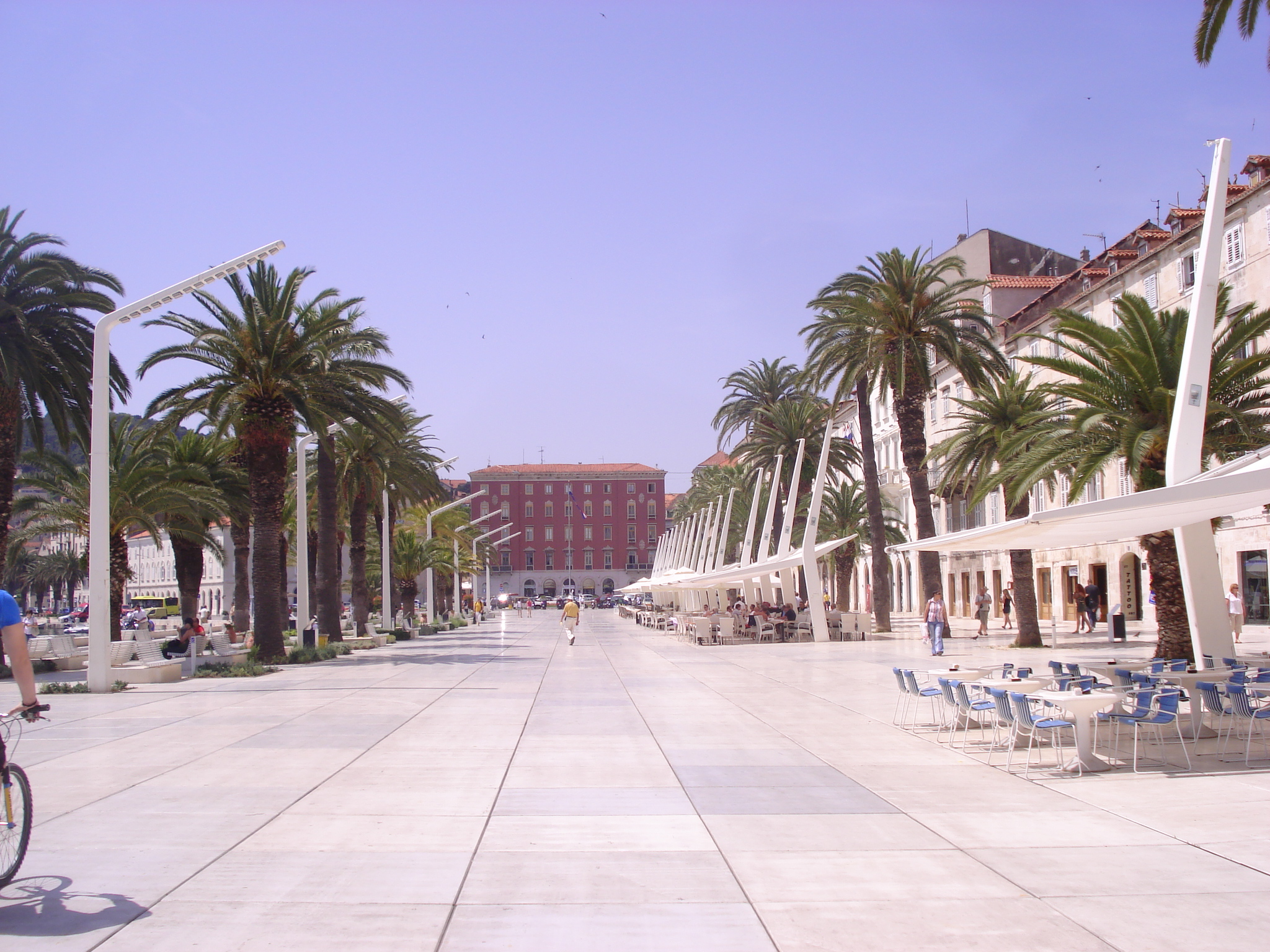
Croatian tourism Summer 2026? – Split, Croatia. Photo by Tatjana Halapija
The cause
Ship traffic through the Strait of Hormuz, which links the Persian Gulf with the Arabian Sea and so with the rest of the world, has fallen 97%. This is twice as much as in any other oil crisis. This means that crude oil and liquified natural gas (LNG) are no longer being transported in anything resembling normal quantities. Nor are sulfur (an important chemical industry feedstock) or helium (used mostly in cooling, e.g., of MRI scanners), which are produced primarily as byproducts of oil and gas extraction and of which Gulf countries are major suppliers. The same holds true for fertilizer, ethanol, graphite, aluminum, iron and steel pellets and glycol, of which, again, Gulf countries manufacture a large portion of global production. (Pistachio nuts, too, but the effect on the world economy is likely to be less pronounced.) Worse, a significant amount of Gulf petroleum, gas and chemical production capacity has been destroyed or damaged (e.g., up to 17% of Qatar’s LNG production capacity) or will be if the war continues (shut downs often damage oil and gas wells and pipelines).
Although Asia is already suffering severely, with some countries mandating four-day work weeks to save energy, Europe and the United States have been spared the worst effects of these developments so far. That is about to change as supplies of oil, LNG and, even more important in the immediate and short terms, their refined products such as jet fuel and diesel become tight after ships in transit unload and private and national reserves are depleted.
Effects on Croatia: tourism, economy and construction
For Croatia, this will likely alter the sources, type, number and ability to spend of the tourists on which the country’s economy in large part depends .Tourists from distant countries will be deterred from flying to Croatia as the price of tickets and the number of canceled flights, already in the tens of thousands, rapidly rise because of enormous increases in jet fuel prices (doubling in Europe since February 28, 2026). Some in Europe may decide to drive instead, but they and tourists that normally drive to Croatia will find that fuel is expensive. Croatia’s languid approach to upgrading and extending its railways means that rail will for the most part not be a realistic alternative, and anyway rail ticket prices will rise, too, because of higher electricity and diesel prices. The upshot for Croatia is that many tourists may decide to completely alter their holiday plans and vacation nearer to home than Croatia, while those that do come will probably not stay as long and have less money to spend than in the past. This would significantly reduce the income Croatia derives from tourism. Croatia’s reputation for high costs, which higher agricultural product prices due to fertilizer shortages will worsen, will likely exacerbate the problem.
The implications for the Croatian construction industry are that hospitality-facility construction will likely fall in the near term, as owners, operators and investors wait to see just how bad and how long the economic effects of the war will be. The wait could be a long one, given that analysts forecast that these effects will last for at least eighteen months and perhaps considerably longer, particularly if the industrial and storage facilities of belligerents and their allies are targeted in a new outbreak of hostilities.
Damage to Croatia’s tourism sector will of course flow through to the country’s other economic sectors, given how important tourism is to Croatia’s economy. But these sectors will likely be hit directly as well. Further stagnation in countries to which Croatia exports non-tourism goods and services is to be expected because of the rise in the costs of energy and raw and intermediate materials, especially but not only plastics and others made from petroleum. This will put further strain on the Croatian economy.
Aggravating this will be a likely rise in the prices of at least some construction materials. Three examples among many are rebar and cement, both of which are energy intensive to produce, and concrete, which uses petrochemical-based additives. And of course transportation costs will rise. One, rather dim, bright spot is that weak economies in countries to which Croatian construction workers have emigrated could encourage them to return home, helping to keep construction costs down. But taken all in all, the growth rate in output of Croatia’s non-hospitality construction sectors is likely to decline and in some cases to go negative. Even government construction projects may be at risk, because payment of energy, agricultural and other subsidies will deplete the government’s cash reserves and reduced economic activity will diminish its tax take.
The future
The question now is not whether the US-Israeli-Iran war will have significant negative effects on construction in Croatia but rather just how bad those effects will be. In the unlikely event that shipments through the Strait of Hormuz resume before the end of May, the effects would be minimized, although to be clear that does not mean that they would be minimal. If the Strait remains blocked beyond the end of June, consequences for Croatia could be quite substantial, since, analysts believe, European reserves of oil, gas and other important products would by then be exhausted. This would cause prices to jump sharply and continually until recession or other events reduced demand to a level that accorded with supply. If hostilities cause additional significant degradation in Gulf region infrastructure, the situation for the construction sector of Croatia, and that of many other countries, could become quite severe.
Croatian construction market forecast is available in the EECFA Forecast Report Croatia. For sample report or orders, contact us.